
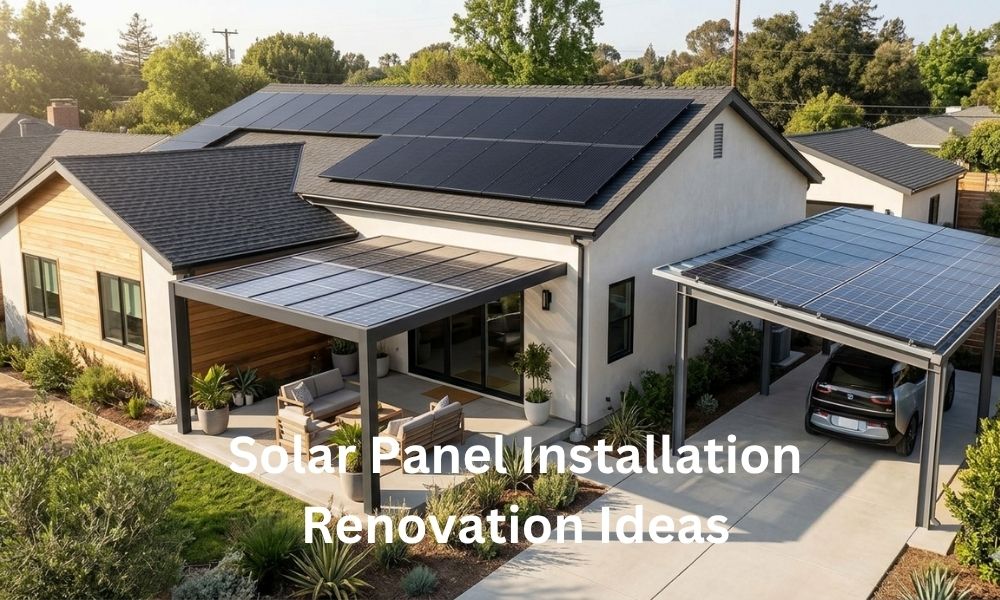
There are also many Solar Panel Installation Renovation Ideas to save solar panels, as well as generate free solar power at home. When remodeling your home, you no longer have to settle for bulky, awkward roof panels on the roof or in other places. For this purpose, here we discuss some of the best ideas that will be beneficial for installers.
It is very informative that, from beautiful solar shingles that replace traditional roofing to dual-purpose backyard structures, solar power has become both highly functional and visually appealing in 2026.
It is also important that you can now use your renovation budget to build a shaded backyard patio pergola made of solar glass or set up a clean energy carport to protect and charge your electric vehicle.
It is also important that on the roof, pairing solar arrays with green plants creates a self-cooling system that boosts energy efficiency in the world. Even sunrooms and backyard home offices can become completely self-sustaining structures.
It is also important that by designing your next remodel around these innovative ideas, you do more than just lower your monthly electric bills in Pakistan. You actively increase your property value, protect your home from power blackouts, and create a modern, independent living space.
My personal experience: This keeps your lights, Wi-Fi, and refrigerator working without any interruption.
Top 10 Solar Panel Installation Renovation Ideas 2026
There we discuss completely the Top 10 Solar Panel Installation Renovation Ideas one by one as below.
1. Seamless Building-Integrated Photovoltaics (BIPV) & Solar Shingles
For a long time, the biggest issue with residential panel solar was its appearance. Standard blue-and-silver polycrystalline solar panels stood out awkwardly on historic or highly stylized homes. Building-Integrated Photovoltaics (BIPV), commonly known as solar shingles or solar tiles, offer an elegant alternative.
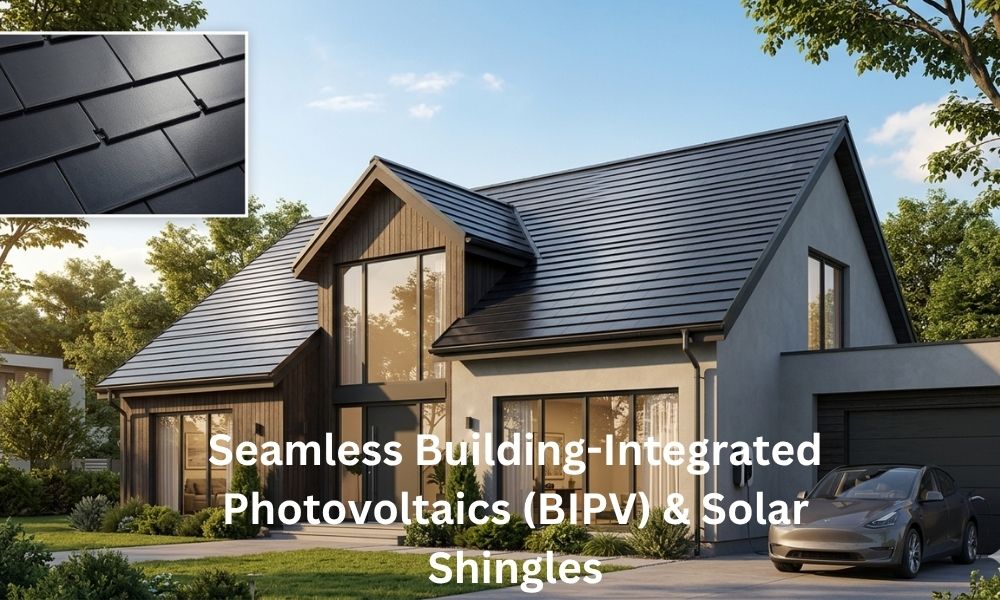
It is very informative news that, instead of mounting rack-and-panel systems over an existing roof, solar shingles are the roof. Constructed from durable tempered glass, these tiles mimic the appearance of traditional slate, clay, or asphalt shingles while generating electricity from integrated monocrystalline cells.
It is also important that when planning a total roof replacement during a remodel, solar shingles allow you to retain your home’s original design profile. They protect the structure from weather just like traditional materials, but turn the entire surface area into a clean energy generator.
2. The Multifunctional Solar Pergola and Patio Canopy
If your roof is heavily shaded by trees, faces the wrong direction, or features complex gables that limit panel placement, you don’t have to abandon your solar plans. Instead, bring your solar arrays down into the backyard by building a solar patio canopy or outdoor pergola.
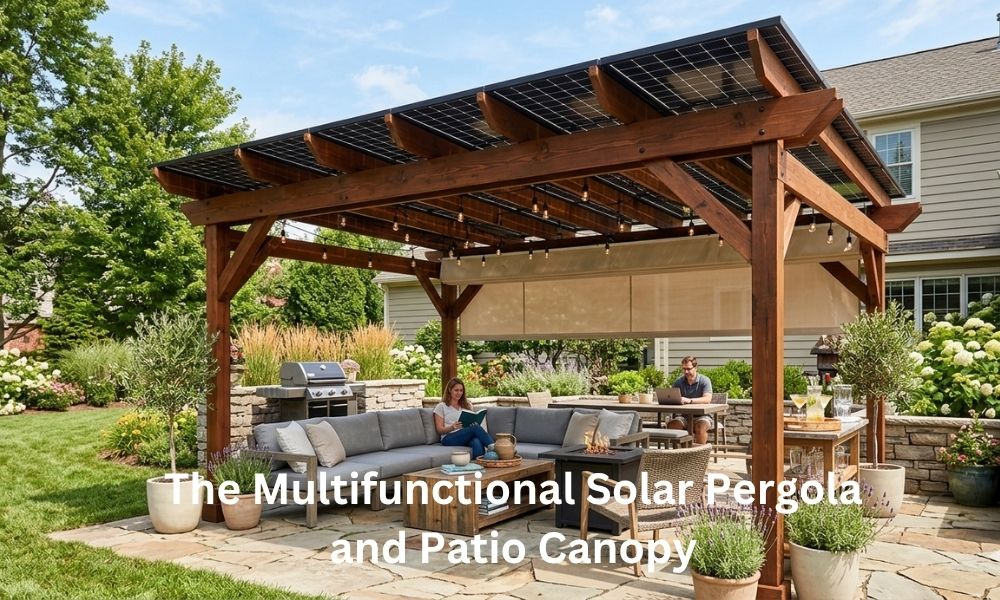
It is also informative that A traditional pergola features open overhead slats that offer partial shade but zero protection from rain. By replacing those wood or aluminum slats with bifacial solar panels (panels designed to capture sunlight on both sides), you create a solid, weather-resistant roof for your outdoor living space.
My personal experience: These Bifacial panels are perfect for pergolas because their underside absorbs ambient light reflecting off your patio, concrete, or decking. This design keeps your outdoor kitchen or seating area cool and dry, while generating enough power to run pool pumps, outdoor lighting, and patio heaters.
3. Solar Carports with Integrated EV Charging Stations
As electric vehicles (EVs) become standard, homes need dedicated high-voltage charging setups. Designing a standalone solar carport in a driveway or garage remodel is an excellent way to upgrade your home infrastructure.
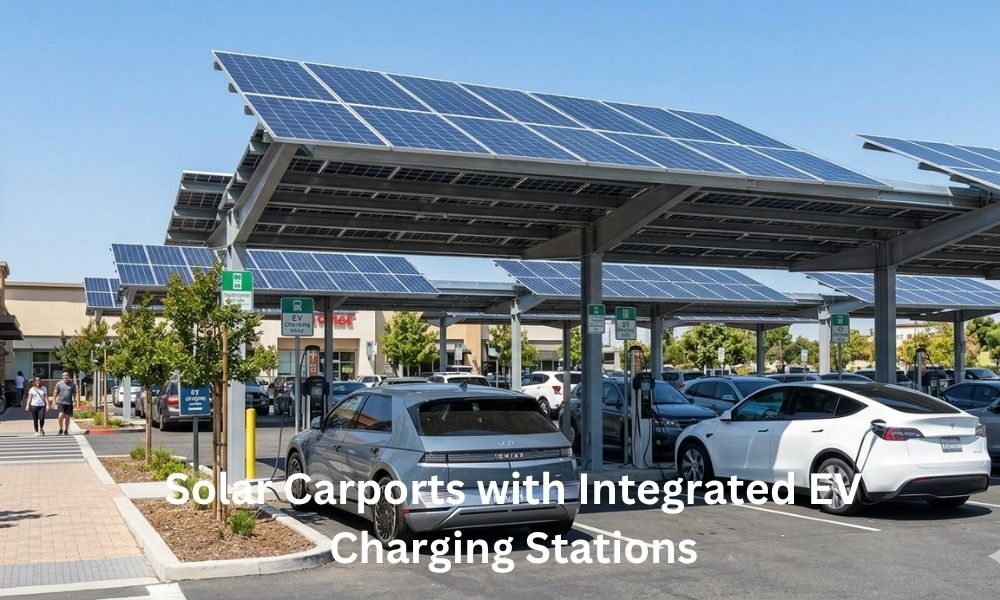
A solar carport uses a heavy-duty steel or timber frame to support an elevated solar array. This setup provides two major benefits:
- It shades and protects your vehicles from sun damage, hail, and snow.
- It creates a dedicated, off-grid or grid-tied charging station right where your car is parked.
My personal experience: By pairing a 5kW to 10kW carport array with a Level 2 EV charger and a garage-mounted battery storage system, you can charge your vehicle using clean energy generated directly above it. This setup avoids long underground conduit runs from a distant roof array down to your driveway.
4. Over-Sized Solar Awnings and Architectural Brow Features
It is also informative that A passive solar renovation focuses on controlling how much sunlight enters your home’s windows. Adding an architectural solar awning, also called “solar brows,” above south-facing windows allows you to combine passive shading with active power generation.
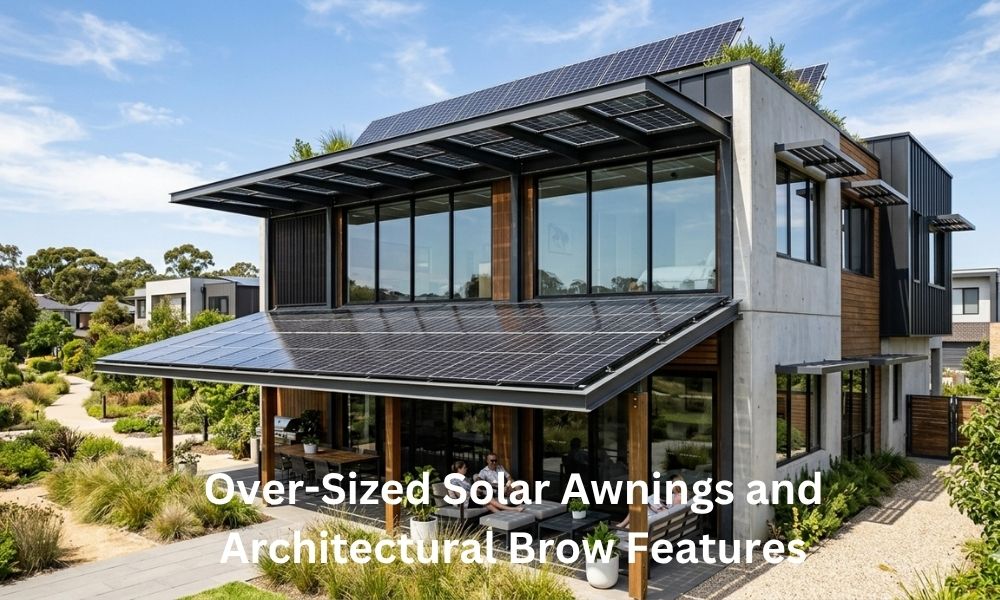
These structural window awnings are angled to block high, hot summer sun from entering your home, which significantly lowers your cooling costs. In the winter, when the sun sits lower in the sky, the awning allows warm light to pass underneath and naturally heats your interiors.
My pro tip: While the awning manages indoor temperatures below, the solar cells on top work at peak efficiency throughout the afternoon. This dual-action design turns simple window shading into a functional power source.
5. Clear-Span Solar Sunrooms and Greenhouses
For homeowners remodeling to add a conservatory, greenhouse, or sunroom, traditional glass can create comfort challenges. Greenhouses often overheat in mid-summer, requiring high energy use for exhaust fans and shading blinds.
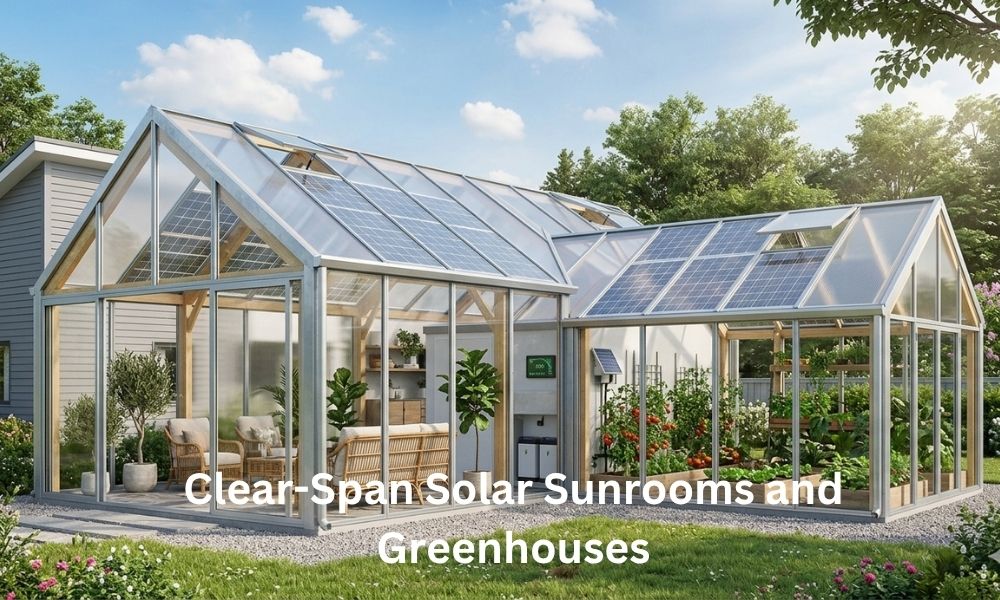
It is a very important thing that integrating semi-transparent solar panels into the sunroom’s glass ceiling solves this issue. These specialized thin-film panels are manufactured with microscopic spaces between the photovoltaic cells, allowing filtered natural light to pass through while capturing the rest as electricity.
This design creates a comfortable, dappled light environment inside the sunroom that protects sensitive tropical plants from leaf scorch.
My personal tip is that the electricity generated by the glass ceiling can power the sunroom’s automated ventilation fans, hydroponic water pumps, and automated grow lights, making the entire extension completely self-sustaining.
6. Off-Grid Smart Sheds and Detached Home Offices
The detached backyard office shed has become a staple of modern home renovations. However, trenching power lines across a landscaped yard to connect a backyard studio to the main house’s electrical panel is expensive, disruptive, and requires intensive permitting.
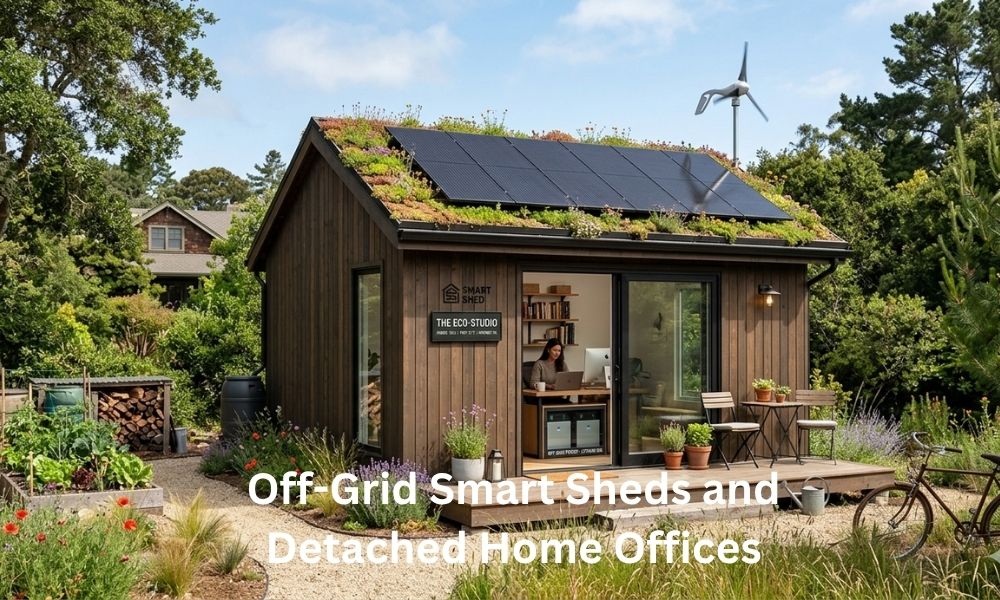
Converting a detached structure into a solar-powered smart shed avoids this hassle entirely. By installing a modest 3kW to 5kW solar array on the shed’s roof and pairing it with a small wall-mounted lithium battery pack, you can create a completely self-contained office circuit.
This standalone system provides reliable power for:
- Laptops, external monitors, and networking equipment
- LED interior and exterior lighting
- High-efficiency mini-split heat pumps for heating and cooling
Because the structure is electrically independent, an unexpected blackout on the main grid won’t interrupt your internet connection or workday.
7. Solar-Powered Pool Houses and Pool Heating Integration
Swimming pools are notorious energy sinks. Running a standard pool filtration pump and a thermal heat pump throughout the summer can easily double a home’s monthly utility bills.
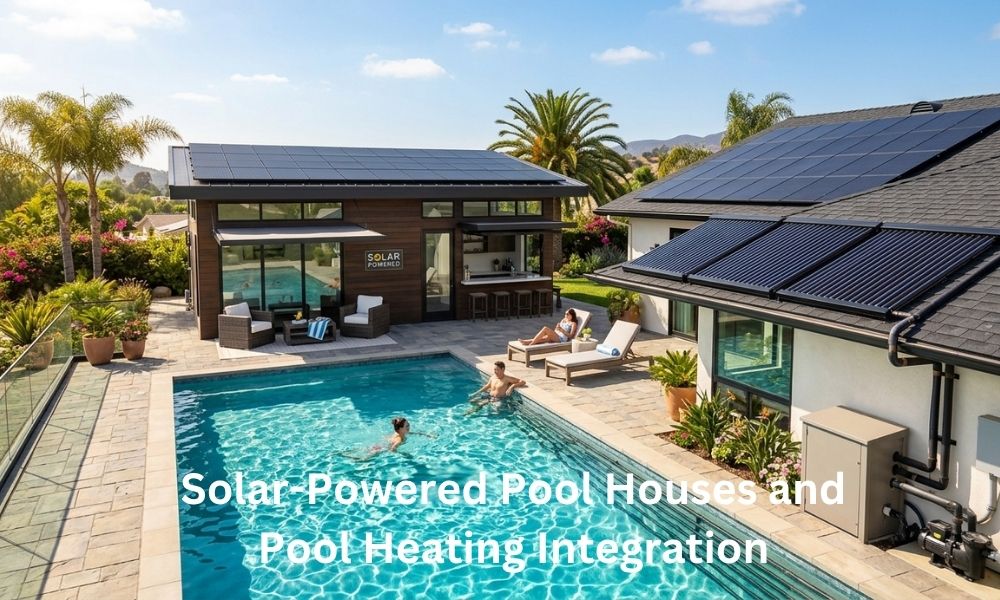
A smart backyard pool renovation can balance these operating costs by turning the pool house roof into a dedicated solar utility station. Homeowners can take this concept a step further by combining two distinct solar technologies:
- Photovoltaic (PV) Panels: These generate electricity to power high-efficiency, variable-speed pool filtration pumps and automated chlorination systems.
- Thermal Solar Collectors: These feature integrated water channels. Pool water is pumped directly up through the warm roof panels, heated by the sun, and circulated back into the pool.
This dual setup keeps your pool comfortably warm while reducing its filtration and maintenance electrical draw to net-zero.
8. Biophilic Living Roofs Combined with Solar (Biosolar Roofs)
A common misconception in home remodeling is that you have to choose between a green living roof (covered in vegetation) and a solar panel array. In reality, combining them into a biosolar roof makes both systems work more efficiently.
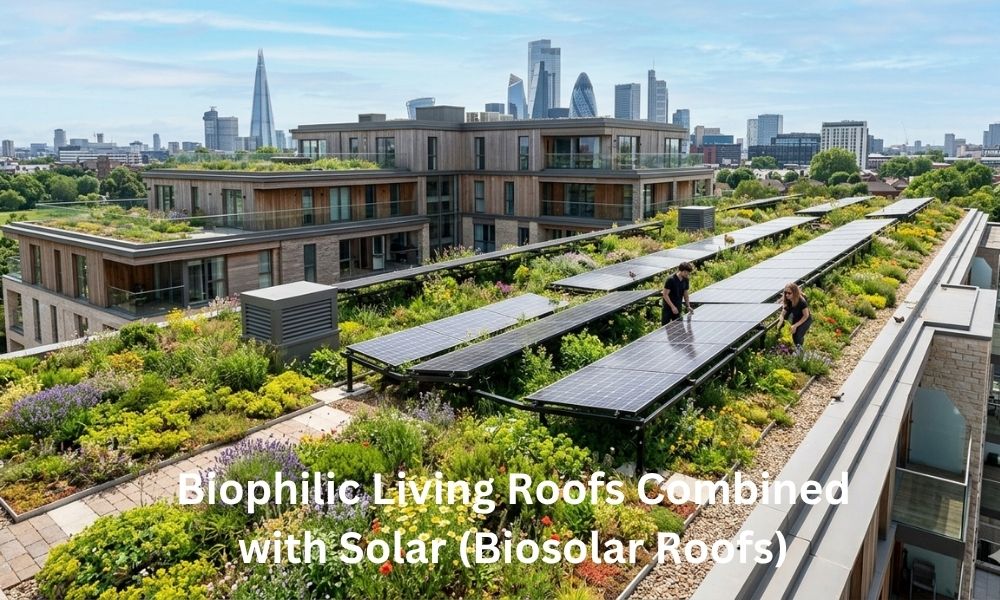
Solar panels lose efficiency when they get too hot. On a traditional dark asphalt or rubber roof, summer surface temperatures can exceed 160°F (71°C), which degrades panel performance.
A green roof covered in sedum or hardy groundcovers uses natural plant respiration and moisture evaporation to keep the surrounding air temperature around 75°F to 80°F (24°C to 27°C).
This natural cooling effect allows the solar panels mounted above the plants to operate at their peak electrical efficiency. In return, the solar panels provide partial shade for the roof vegetation, reducing water evaporation and helping the plants thrive with minimal watering.
9. Modern Solar Clerestory Roof Overhauls
If you are planning an architectural renovation to add high ceilings and dramatic modern angles to a home, a clerestory roof design is an ideal choice. A clerestory features a vertical wall with a row of high windows situated between two sloping roof planes.
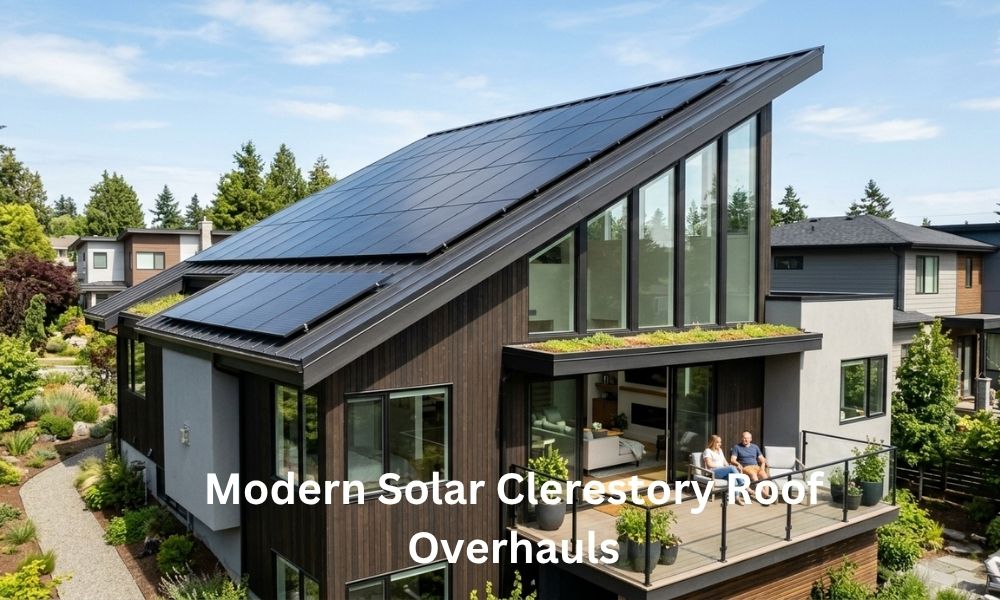
Designing this style of roof allows you to optimize your home’s orientation:
- The Steep Upper Slope: Angled directly toward the equator (south in the northern hemisphere) and covered in high-output solar panels to maximize year-round energy capture.
- The Clerestory Windows: Positioned to flood your home’s deep interior rooms with soft, indirect natural light, reducing the need for daytime electric fixtures.
This approach blends structural geometry with functional solar engineering, creating a bright interior space while maximizing your roof’s power generation potential.
10. The Whole-Home Battery “Hub” Utility Room Upgrade
A complete solar renovation involves more than just selecting roof panels—it requires upgrading how your home stores and manages that power. When remodeling your basement, garage, or mudroom, plan to design a modern, central electrical utility room.
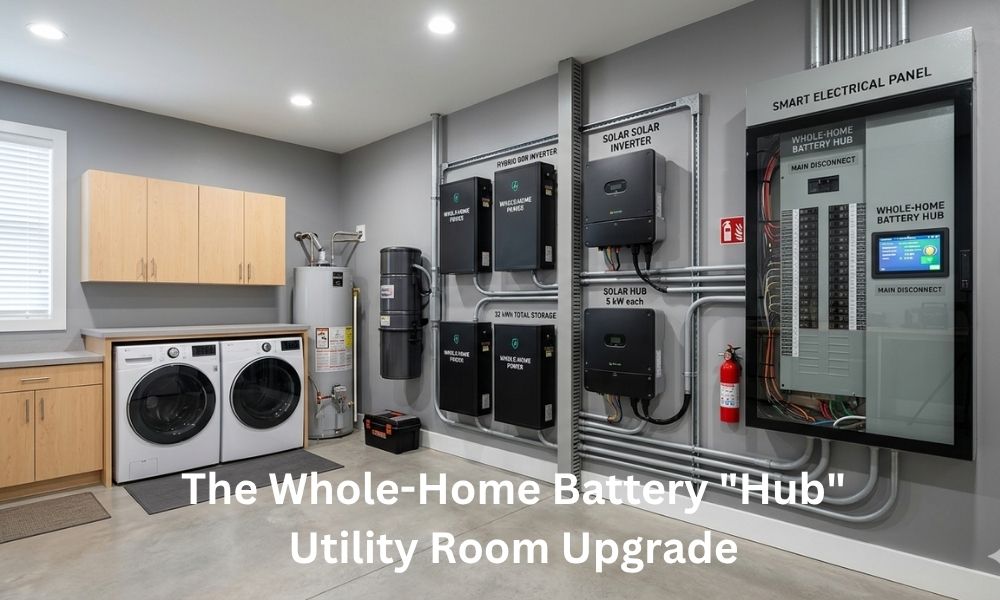
Instead of hiding a solo inverter in a dark corner, homeowners are building clean utility closets to house sleek, wall-mounted smart batteries (such as the Tesla Powerwall, Enphase 5P, or SonnenCore).
Renovation Tip: When opening walls during a remodel, install a dedicated Smart Critical Loads Panel. This panel separates essential circuits (refrigerator, well pump, HVAC fan, Wi-Fi router, and select lights) from non-essential loads.
Final words
There are also many Solar Panel Installation Renovation Ideas to save solar panels, as well as generate free solar power at home. When remodeling your home, you no longer have to settle for bulky, awkward roof panels on the roof or in other places. For this purpose, here we discuss some of the best ideas that will be beneficial for installers.
It is very informative that, from beautiful solar shingles that replace traditional roofing to dual-purpose backyard structures, solar power has become both highly functional and visually appealing in 2026.
It is also important that you can now use your renovation budget to build a shaded backyard patio pergola made of solar glass or set up a clean energy carport to protect and charge your electric vehicle.
It is also important that on the roof, pairing solar arrays with green plants creates a self-cooling system that boosts energy efficiency in the world. Even sunrooms and backyard home offices can become completely self-sustaining structures.

I AM CH SAMI ULLAH, THE TOP SOLAR PANEL SELLER AND INSTALLER IN PAKISTAN, WITH CHEAPEST RATES, OF TOP QUALITY. GET THE LATEST RATES ON SOLAR PANELS, FANS, ACs, TUBE WELLS, SOLAR FRIDGES, AND SOLAR ATTA CHAKKIS. WHATSAPP (03461320821)